The Bedford venue rubbish clearance Balham events guide
Posted on 11/10/2026
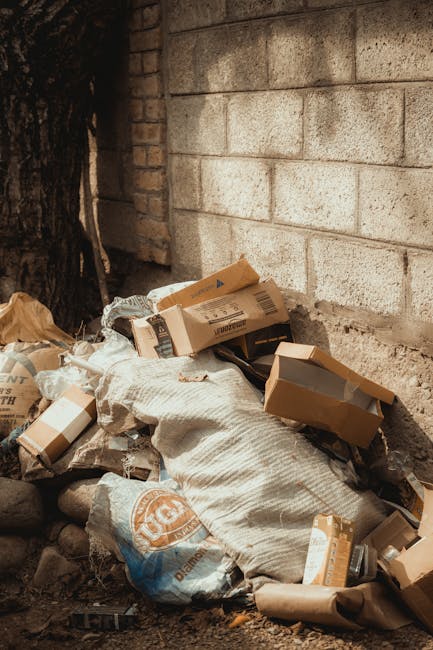
If you are planning an event at The Bedford in Balham, rubbish clearance is one of those jobs that quietly makes or breaks the night. Nobody books a live music, comedy, private party, or community gathering because they are excited about bin bags and leftovers. But once the music stops and the room starts emptying, you suddenly notice everything: bottle stacks, cardboard, packaging, food waste, broken decorations, and that one corner where clutter always seems to gather. This guide to The Bedford venue rubbish clearance Balham events guide walks you through what needs clearing, when to do it, how to avoid messy handovers, and how to keep the venue tidy without turning cleanup into a headache.
Done well, event clearance feels almost invisible. The room resets quickly, the staff breathe easier, and the next morning does not start with a grim surprise. Truth be told, that is the goal.
Why The Bedford venue rubbish clearance Balham events guide Matters
The Bedford is the sort of Balham venue that can host a busy, mixed crowd: evening drinks, a seated performance, a private hire event, or a full-on celebration where people leave behind more than they arrived with. That is exactly why rubbish clearance matters. The problem is not just visible mess. It is timing, access, odour, guest flow, venue presentation, and what happens after the final glass is collected.
A good clearance plan protects more than appearances. It helps staff close the venue safely, keeps the floors clear for cleaning, and reduces the risk of spills, trip hazards, and overfilled internal bins. If you have ever walked into a room the morning after an event and thought, "Well, that escalated quickly," you will know what I mean.
In a place like Balham, where venues often sit close to busy roads, local residents, and tightly timed schedules, fast and tidy waste removal also helps with respect for neighbours. That matters around The Bedford because event turnover can be tight, and nobody wants a noisy, scruffy handover. Good rubbish clearance is really part of good event hosting.
Key point: clear waste handling is not a final afterthought. It is part of event delivery from the start.
How The Bedford venue rubbish clearance Balham events guide Works
The process is usually simpler than people expect, but only if you plan it before the crowd arrives. For a Bedford event, rubbish clearance normally follows three phases: pre-event preparation, live-event waste control, and post-event removal. Each phase has a job to do.
1. Before the event
This is when you decide what kinds of waste are likely to appear. A music night creates a lot of cups, bottles, flyers, and packaging. A buffet-style private party adds food waste, napkins, and catering trays. A corporate booking may create cardboard, branded packaging, and service waste. Once you know the likely mix, you can place bins where they will actually be used, not just where they look neat.
Small detail, big effect. If bins are hidden, people tend to leave things on tables or in corners. And then your tidy venue starts looking a bit tired by the second hour.
2. During the event
Live waste control is about stopping pile-up. Staff or clearance support should keep an eye on bottle stations, buffet areas, entrances, and smoking or spill-prone spots. If bags are filling quickly, swap them before they split. If recycling bins are being contaminated with general waste, correct it early. The longer waste sits, the more the room starts to feel cluttered.
3. After the event
Once guests leave, the final sweep begins: collecting loose litter, emptying bins, separating recyclable material where possible, moving bulky items, and checking hidden spots such as under tables, behind seating, and around service counters. This is often where the real work is. The obvious mess is easy. It is the half-hidden stuff that slows everyone down.
For larger clear-outs or mixed waste loads, it can help to use a dedicated local service rather than trying to manage everything with standard venue bins alone. If your event has produced a lot of mixed rubbish, a broader rubbish clearance Balham service can keep the handover smooth and reduce the pressure on venue staff.
Key Benefits and Practical Advantages
There are obvious benefits to a proper clearance plan, but the less obvious ones often matter more in real life. Clean spaces photograph better, run better, and feel better. Guests notice, even if they never mention it. Staff notice too.
- Faster reset times: less time spent hunting for waste means quicker room turnover.
- Better first impressions: the venue looks cared for, which reflects well on the host.
- Lower safety risk: fewer loose items on floors means fewer slips and trips.
- Improved recycling outcomes: separating materials early makes recycling more realistic.
- Less odour and mess: especially important after food-led events or warm-weather evenings.
- Reduced staff stress: a tidy plan means fewer last-minute scrambles.
There is also a commercial benefit. Guests remember smooth service. Event organisers remember venues that are easy to work with. That can matter as much as the entertainment itself, maybe more.
If you are comparing waste handling options, it can help to look at the wider support offered by a local provider. Some events only need light collection, while others need a more complete service that includes bulky items, packaging, and post-event bagged waste. The wider services overview can give you a sense of what is available and how different jobs are usually handled.
Who This Is For and When It Makes Sense
This guide is for anyone responsible for keeping an event at The Bedford tidy, safe, and easy to close down. That could be the venue team, a private hire organiser, a caterer, a promoter, or even a guest who has been handed the unglamorous job of "sorting the rubbish at the end." It happens. More often than people admit.
It makes sense to plan rubbish clearance in advance if your event includes any of the following:
- food and drink service
- large guest numbers
- decorations, banners, balloons, or printed materials
- catering trays, packaging, or disposable serving items
- music equipment, staging, or temporary setup materials
- mixed waste that needs separating quickly
It is especially useful if your event finishes late, because nighttime clear-downs tend to be slower and noisier. You want an efficient routine, not a half-tired clean-up crew doing a second lap at midnight. Nobody enjoys that.
If your booking creates bulky waste or old furniture that has to disappear before the next event, a more targeted disposal service may be the better fit. For heavier loads, furniture disposal Balham can be a practical complement to event clearance, especially for pop-up setups, broken seating, or temporary stage pieces.
Step-by-Step Guidance
Here is a practical way to manage The Bedford venue rubbish clearance without overcomplicating things.
Step 1: Map the waste before the event starts
Walk through the venue and identify the likely waste points: bar area, tables, catering stations, entrance, backstage or storage areas, and any outdoor spaces used by guests. Ask a simple question: where will people naturally put things down? That is where waste will build up.
Step 2: Set bin capacity to match the crowd
A small private gathering and a packed Friday-night event do not generate the same amount of waste. Make sure bin numbers and bag sizes match the expected footfall. If you under-provide, waste starts escaping the system. It always does.
Step 3: Separate waste streams where practical
Cardboard, cans, glass, general waste, and food scraps may need different handling depending on the event setup. In reality, perfection is rare during a busy night, but even basic separation helps. Keep recycling points obvious and label them clearly.
Step 4: Monitor the hotspots during the event
Keep an eye on the most active zones. A single overflowing bin near the bar can make the whole room look sloppy. Swap bags early. Wipe up spills straight away. Do a quick floor check during quieter moments rather than waiting for the end.
Step 5: Run a final sweep as guests leave
This sweep should be methodical, not rushed. Start with tables, then floors, then behind furniture and service points. Check corners, under benches, and around doorways. That is where lost cups and napkins like to hide, quietly plotting against your tidy finish.
Step 6: Remove bulky items and bagged waste together
Do not leave awkward items sitting in the room while smaller rubbish is taken away. Mixed clutter slows the final tidy-up and makes the space feel unfinished. Clear in one direction if possible: loose waste, bagged waste, then bulky items.
Step 7: Reset the venue for the next use
Once waste is out, the room should be inspected for surface marks, broken items, and anything that needs reporting. A clean room that is still missing a chair leg is not actually ready, is it?
Expert Tips for Better Results
In our experience, the best event clear-downs are the ones that feel boringly organised. Not dramatic. Not rushed. Just calm and efficient.
- Use more smaller bins rather than one huge overflow point. People are far more likely to use what is close by.
- Keep spare bags ready in hidden but easy-to-reach spots. Nothing derails a tidy-up like hunting for bin liners while the room is still active.
- Protect your recycling effort. If recycling bins are next to general waste, make the labels very clear. Ambiguity ruins good intentions.
- Build in one final staff sweep before guests depart. This catches the awkward waste before it becomes tomorrow morning's problem.
- Plan for the smell factor. Food waste, spilled drinks, and warm rooms can turn unpleasant fast, especially later in the evening.
- Be realistic about timing. Some events need ten minutes of cleanup. Others need an hour or more. Truth be told, underestimating the last half hour is a classic mistake.
A small practical trick: assign one person to rubbish control during the event and one person to final removal. That separation keeps people from assuming somebody else has it covered. Because, let's face it, "someone will sort it" is not a strategy.
If your event involves waste from property turnover, storage areas, or leftover clutter from an old setup, you may also find the local experience covered in the Balham property guide useful for thinking about space, logistics, and how rooms get used over time.

Common Mistakes to Avoid
Most rubbish clearance problems are not dramatic. They are small planning misses that snowball once the room gets busy.
1. Waiting until the end to think about waste
This is the biggest one. If you only notice bin placement after the event starts, you are already behind. By then, waste has spread to tables, ledges, and random corners.
2. Using the wrong type of bin
Very small bins fill quickly. Huge bins can encourage people to dump everything in one place. Choose the right balance for the event size and the type of rubbish expected.
3. Forgetting awkward waste
Event waste is not just cups and paper. There may be broken decorations, damaged props, packaging straps, food containers, and bits of tape or cable wrap. These odd items are easy to miss.
4. Mixing recycling with general waste
Once materials are mixed, recycling gets harder. It may still be possible in some cases, but the quality drops. Clear labels and good bin placement help more than people think.
5. Not allowing enough time for the final sweep
A tidy room takes longer than people expect, especially after a lively event. If the schedule is tight, the cleanup gets rushed and corners get cut. Then you are back the next day doing the same job twice. Not ideal.

6. Ignoring access routes
If bags and bulky items have to move through narrow spaces, stairs, or busy corridors, the clearance plan should reflect that. Good waste handling is not only about collecting rubbish; it is about moving it safely out of the venue.
Tools, Resources and Recommendations
You do not need fancy kit to manage event rubbish well. You do need the basics in the right places, and enough of them.
- Heavy-duty bin liners: choose liners suited to the likely weight and type of waste.
- Colour-coded labels: useful for separating general waste, recycling, and food waste.
- Gloves and basic cleaning equipment: keep staff safe and make quick clear-downs easier.
- Trolleys or sacks: helpful for moving multiple bags without repeated trips.
- Spill kit: especially useful for drink-heavy events or food service.
- Checklist on paper or phone: simple, but it stops things being forgotten in the rush.
For event organisers who want a cleaner venue and better waste habits overall, recycling and sustainability guidance can support better sorting and reduce avoidable landfill waste. That is good for the venue image too, and not just in a box-ticking sort of way.
If your event involves bags of mixed waste, broken packaging, or last-minute extras, you may also want a local collection option that is flexible rather than rigid. Services like rubbish collection Balham can be a straightforward solution when you need the clutter gone without dragging the job into the next day.
And if you are still at the planning stage, it is worth reviewing practical pricing and booking information early. A quick look at pricing and quotes can help you compare the likely cost of one-off clearance against the time and stress saved.
Law, Compliance, Standards, or Best Practice
For event rubbish, the key point is simple: waste should be handled safely, responsibly, and in line with normal UK waste management expectations. You do not need to become a legal expert to do this well, but you do need to avoid casual shortcuts.
Best practice usually means making sure waste is stored securely, removed promptly, and passed to an appropriate carrier or disposal route. If you are hiring a service, it is sensible to ask how waste is handled, whether recyclable items are separated where practical, and how the team approaches safety on site. That does not have to be formal or stiff. Just ask straight questions.
Where a venue is busy, staff should also think about manual handling and trip hazards. Overfilled bags, glass, sharp packaging, and stacked items can all cause problems if they are moved carelessly. A sensible process, clear roles, and decent equipment do a lot of the work here.
For readers who want extra reassurance on provider standards, it can help to check whether the company is transparent about its safety approach. The page on insurance and safety is useful when you want to understand how professional waste work should be managed on site.
One more thing: if your event creates a lot of waste in a shared or public-facing setting, respect for neighbours and nearby businesses matters too. Avoid late noisy handling where possible, keep routes clear, and do not leave bags outside longer than needed. Basic good manners, really, but it counts.
Options, Methods, or Comparison Table
There is no single right way to manage event waste at The Bedford. The best method depends on volume, timing, and how much cleanup your team can realistically handle.
| Method | Best for | Pros | Watch-outs |
|---|---|---|---|
| In-house cleanup only | Small events with light waste | Low cost, simple to organise | Can become slow if waste volume rises quickly |
| In-house cleanup with scheduled collection | Medium events with mixed waste | Flexible and practical | Needs good timing and clear responsibility |
| Dedicated clearance support | Busy events, bulky waste, tight turnaround | Faster reset, less stress, more complete removal | Requires planning and a budget |
| Skip-based approach | Longer setups or renovation-style event prep | Can handle larger volumes over time | Not always ideal for fast event turnover or limited access |
For most Bedford event organisers, a mixed approach works best: keep day-to-day waste under control during the event, then use a professional collection option for the heavier clear-down. If you are juggling a full room, food service, and a late finish, that combination can save a lot of stress.
There are also cases where a venue needs help with long-standing clutter rather than event waste alone. In those situations, house clearance Balham or office clearance Balham pages can help you think through larger-scale clearance needs, especially if the event space doubles as a working or storage area.
Case Study or Real-World Example
Picture a Saturday evening function at The Bedford: a birthday celebration with music, finger food, drinks, table decorations, and a few printed props for photos. Nothing outrageous, just a lively room and a fair bit of energy. By 9:30 p.m., the bar area is busy, tables have a mix of glassware and napkins, and the catering team has started stacking boxes discreetly near a service point.
Without a plan, that setup can unravel fast. Guests start putting empty cups on the nearest ledge. Bags fill up. One recycling bin gets contaminated with food waste. By closing time, the room looks far more chaotic than it actually is.
With a simple clearance routine, though, the night feels very different:
- a staff member checks bins every 20-30 minutes
- decorations are removed in stages, not all at once
- glass and general waste are bagged separately where possible
- the final sweep starts while the last guests are still saying goodbye
- bulky packaging is moved out in one controlled run
The result is not perfect, because real events never are. But the room resets faster, staff stay calmer, and the next booking does not inherit a mess. That is the win. Small, ordinary, and absolutely worth it.
If the event has generated more waste than expected, a local specialist such as waste removal Balham can help with the part that normal bins simply cannot absorb. And if the job includes awkward, mixed items that do not fit neatly into one category, junk removal Balham may be the simplest route.
Practical Checklist
Use this checklist before, during, and after the event. It keeps things simple, which is often exactly what you need.
- Confirm the expected guest count and waste volume
- Identify likely waste types: food, drink, cardboard, decor, general rubbish
- Place bins in visible, convenient locations
- Label recycling and general waste clearly
- Keep spare liners and gloves ready
- Assign one person to monitor waste during the event
- Empty overflowing bins before they become a problem
- Do a final room sweep at closing time
- Check under tables, behind seating, and around service points
- Separate bulky items from bagged waste
- Remove waste promptly and safely
- Reset the room and report any damage or missing items
Expert summary: The best Bedford event rubbish clearance plan is simple, visible, and timed before the room gets messy. If the waste is easy to spot, easy to sort, and easy to move, everything else becomes easier too.
If you are arranging a larger clean-up after the event, it can be worth speaking early rather than waiting until the last bag is full. A quick conversation often saves a lot of guesswork. And yes, your future self will be grateful.
Get a free quote today and see how much you can save.
Conclusion
Good event clearance at The Bedford is not about obsessing over rubbish. It is about making sure the event ends as smoothly as it began. When waste is planned for, monitored, and removed properly, the venue stays presentable, staff stay in control, and guests leave with the right memory of the night. Not the bin bags. Never the bin bags.
The most effective approach is usually a practical one: plan the bins, monitor the hotspots, clear promptly, and use professional support when the waste volume or timing demands it. Simple, really. But simple done well is what makes an event feel polished.
Whether you are organising a one-off party or managing regular venue hire, a little forethought goes a long way. And if you get it right, the room feels ready again before the last echo of the music has faded. That is a good feeling.


 Tipper Van - Rubbish Removal and Junk Collection Prices in Balham, SW11
  Luton Van -